

Expert Installation Tips for Your Project Solar Street Lights
Release time:
Jun 30,2026
Expert Installation Tips for Your Project Solar Street Lights Table of Contents Introduction to Solar Street Lights Benefits of Solar Street Lights Preparation for Installation Conducting a Site Assessment Choosing the Right Solar Street Light Step-by-Step Installation Process Essential Tools and
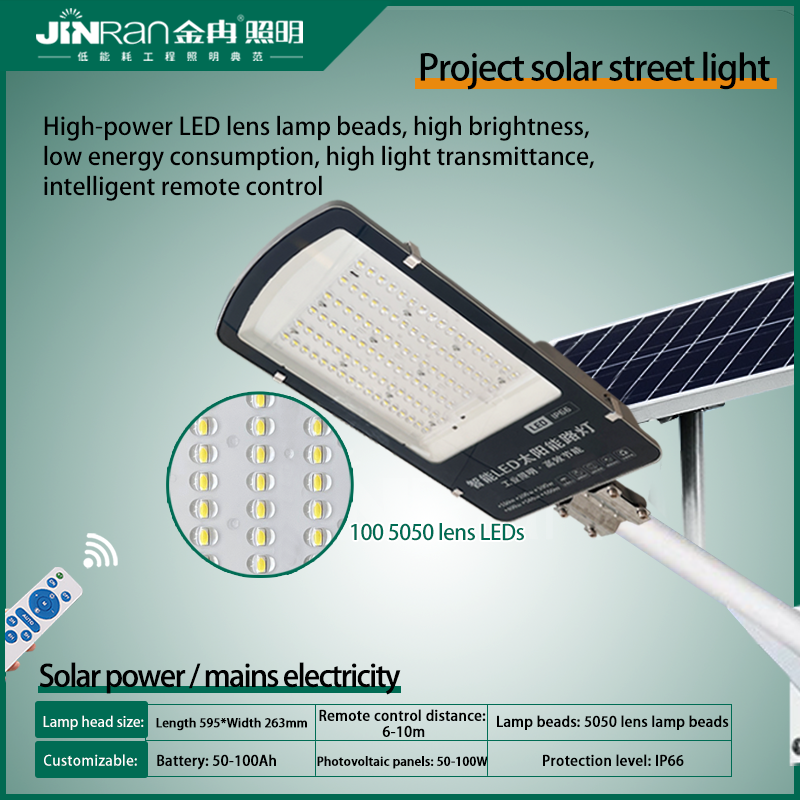
Expert Installation Tips for Your Project Solar Street Lights
Table of Contents
- Introduction to Solar Street Lights
- Benefits of Solar Street Lights
- Preparation for Installation
- Step-by-Step Installation Process
- Maintenance Tips for Longevity
- Troubleshooting Common Issues
- Frequently Asked Questions
- Conclusion
Introduction to Solar Street Lights
Solar street lights are becoming increasingly popular due to their environmentally friendly design and efficiency in energy consumption. These innovative lighting solutions utilize solar panels to harness sunlight, converting it into energy that powers LED lights during the night. As urban areas prioritize sustainability and energy efficiency, understanding how to properly install solar street lights can significantly enhance their performance and longevity. In this article, we will provide **expert installation tips** that will ensure your solar street light project is a success.
Benefits of Solar Street Lights
Investing in solar street lights offers numerous advantages, including:
Energy Efficiency
Solar street lights operate on renewable energy, drastically reducing electricity costs while promoting sustainability. They are especially beneficial in remote areas where extending the electrical grid can be challenging.
Low Maintenance Costs
Once installed, solar street lights require minimal maintenance. With durable materials and the absence of wires, the long lifespan of LED bulbs means fewer replacements, resulting in lower long-term costs.
Enhanced Safety and Security
Properly installed solar street lights improve visibility at night, deterring crime and enhancing safety for pedestrians and drivers alike. Well-lit streets are vital for creating a secure environment in communities.
Eco-Friendly Solution
Solar street lights contribute to reducing carbon footprints by utilizing clean energy sources. This eco-friendly approach aligns with global sustainability goals, making it an attractive choice for municipalities.
Preparation for Installation
Conducting a Site Assessment
Before beginning the installation, a thorough site assessment is crucial. This process involves:
- Evaluating the **geographic location** and **sunlight exposure**. Ideally, the installation area should receive ample sunlight throughout the day to maximize energy collection.
- Identifying potential **obstructions** such as trees, buildings, or other structures that may cast shadows on the solar panels.
- Assessing the **ground conditions** to determine the best mounting options, ensuring stability and safety.
Choosing the Right Solar Street Light
Selecting the right solar street light is essential for optimal performance. Consider the following factors:
- **Lumens Output**: Measure the brightness required for the area. Higher lumens are needed for roads and heavy pedestrian traffic, while lower lumens may suffice for parks and residential areas.
- **Battery Capacity**: Ensure the solar light has a battery that can store enough energy to last through cloudy days or longer nights.
- **Durability**: Look for lights with **weather-resistant** and **corrosion-resistant** materials to withstand various environmental conditions.
Step-by-Step Installation Process
Essential Tools and Materials
Having the right tools and materials on hand will streamline the installation process. Gather the following:
- Shovel for digging post holes
- Level for ensuring proper alignment
- Drill and drill bits for securing fixtures
- Wire connectors and electrical tape for wiring
- Safety gear, including gloves and goggles
Mounting the Solar Light
The mounting process involves several steps:
1. **Digging Post Holes**: Create holes according to the specifications provided by the manufacturer. Ensure the holes are deep enough for stability.
2. **Installing the Pole**: Place the pole in the hole, using a level to ensure it is straight. Fill the hole with concrete for added stability and allow it to cure as per instructions.
3. **Attaching the Solar Panel**: Secure the solar panel to the top of the pole, ensuring it faces the sun for maximum exposure. Adjust the angle based on geographical location to optimize sunlight capture.
Wiring and Configuration
After mounting, proper wiring is essential:
1. **Connecting the Battery**: Follow the manufacturer's guidelines to connect the battery to the solar panel and light fixture. Ensure all connections are secure to prevent power loss.
2. **Testing the System**: Before finalizing the installation, turn on the system during daylight hours to ensure all components function correctly. Adjust settings as needed.
Maintenance Tips for Longevity
Maintaining solar street lights will help extend their lifespan and efficiency. Here are some practical tips:
- **Regular Cleaning**: Dust, debris, and snow can obstruct sunlight from reaching the solar panels. Regularly clean the panels to ensure optimal energy absorption.
- **Battery Inspection**: Periodically check battery connections and performance. Replace batteries as recommended by the manufacturer to ensure consistent power supply.
- **Fixture Inspection**: Inspect the light fixtures for any signs of damage or wear. Replace bulbs promptly to maintain brightness levels.
Troubleshooting Common Issues
Even with proper installation, issues may arise. Here’s how to troubleshoot:
- **Dim Lights**: If lights are dim, check for dirt on the solar panel or low battery levels. Clean the panel and allow it to charge fully.
- **Lights Not Turning On**: Ensure the solar panel is receiving adequate sunlight. Check wiring connections for any loose or disconnected wires.
- **Short Battery Life**: If batteries are depleting quickly, they may need replacement, or the system may require more efficient solar panels.
Frequently Asked Questions
1. What is the average lifespan of solar street lights?
The average lifespan of solar street lights can range from 5 to 25 years, depending on the quality of components used and maintenance practices.
2. How long do solar batteries last?
Solar batteries typically last 3 to 5 years. Regular maintenance can extend their lifespan.
3. Can solar street lights work in cloudy weather?
Yes, solar street lights can still function during cloudy weather, but their performance may be reduced. High-quality batteries can store energy from sunny days to power lights when sunlight is scarce.
4. Do solar street lights require any wiring?
While solar street lights are generally wireless, they do involve some wiring for connecting the solar panel, battery, and light fixture.
5. How much sunlight do solar panels need to function effectively?
Solar panels require about 6-8 hours of direct sunlight a day to charge effectively and operate efficiently during the night.
Conclusion
Installing solar street lights can significantly enhance public safety and promote sustainability in your community. By following the expert tips outlined in this guide, you will ensure a successful installation that maximizes efficiency and longevity. Proper preparation, careful selection, and regular maintenance are essential to making the most out of your solar street lighting project. As communities seek greener, more efficient solutions, solar street lights stand out as a practical choice for urban and rural areas alike.


Contact Jinran
Phone:+86-13793941613
E-Mail:jinranzhaoming@gmail.com
Address:Linyi Hardware City, Jiuqu Street, Hedong District, Linyi City, Shandong Province
Get a Quote