

Enhancing Urban Spaces with Project Solar Street Light Solutions
Release time:
Jan 16,2026
In recent years, the concept of project solar street lights has gained significant traction in urban planning and development. These street lights, powered by solar energy, present a unique solution to the challenges of traditional street lighting, particularly in areas where electricity access may be limited or unreliable. The incorporation of solar technology into street lighting not only promot
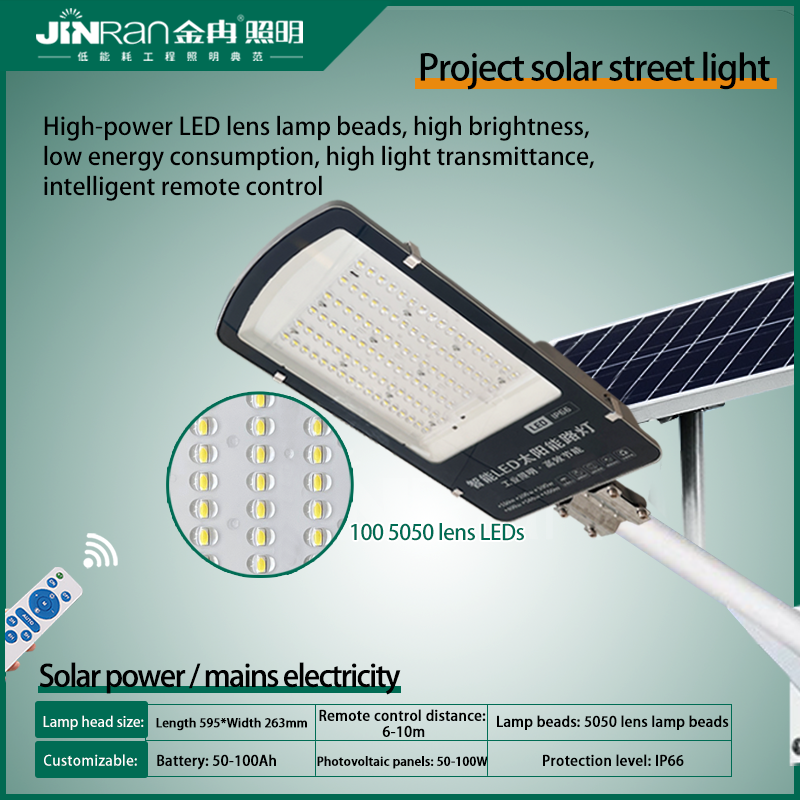
In recent years, the concept of project solar street lights has gained significant traction in urban planning and development. These street lights, powered by solar energy, present a unique solution to the challenges of traditional street lighting, particularly in areas where electricity access may be limited or unreliable. The incorporation of solar technology into street lighting not only promotes sustainability but also offers several additional advantages that can greatly benefit urban environments.
At the core of project solar street lights is the use of photovoltaic panels that capture sunlight during the day and convert it into electricity. This stored energy powers LED lights during the night, providing a reliable source of illumination without depending on the grid. The advantages of utilizing solar technology include reduced electricity costs, minimal maintenance requirements, and the ability to install lights in remote locations without the need for extensive wiring or infrastructure.
Moreover, project solar street lights play a crucial role in enhancing public safety. Well-lit streets deter crime and increase visibility for pedestrians and vehicles alike. This is especially important in urban areas where safety is a primary concern. Additionally, the ability to install these lights in parks, bike paths, and other public spaces encourages outdoor activities and promotes community engagement.
Another significant aspect of project solar street lights is their environmental impact. By relying on renewable energy, these lights contribute to reducing carbon footprints and promoting cleaner air quality. The use of energy-efficient LEDs further minimizes energy consumption, making them a vital component in the move towards greener cities.
When planning the installation of project solar street lights, it is important to consider factors such as the local climate, geographical location, and the specific needs of the community. Proper placement ensures optimal sunlight exposure and maximizes the efficiency of the solar panels. Additionally, advancements in technology have led to the development of smart solar street lights equipped with sensors that can adjust brightness based on pedestrian traffic or ambient light conditions, further enhancing their functionality.
In conclusion, project solar street lights represent a forward-thinking approach to urban lighting that aligns with contemporary sustainability goals. By providing a reliable, energy-efficient, and environmentally friendly lighting solution, they not only improve the quality of life for residents but also support the vision of modern cities as hubs of innovation and sustainability. As urban areas continue to evolve, integrating these solar-powered solutions will be vital to creating safer, more connected, and eco-friendly communities.
At the core of project solar street lights is the use of photovoltaic panels that capture sunlight during the day and convert it into electricity. This stored energy powers LED lights during the night, providing a reliable source of illumination without depending on the grid. The advantages of utilizing solar technology include reduced electricity costs, minimal maintenance requirements, and the ability to install lights in remote locations without the need for extensive wiring or infrastructure.
Moreover, project solar street lights play a crucial role in enhancing public safety. Well-lit streets deter crime and increase visibility for pedestrians and vehicles alike. This is especially important in urban areas where safety is a primary concern. Additionally, the ability to install these lights in parks, bike paths, and other public spaces encourages outdoor activities and promotes community engagement.
Another significant aspect of project solar street lights is their environmental impact. By relying on renewable energy, these lights contribute to reducing carbon footprints and promoting cleaner air quality. The use of energy-efficient LEDs further minimizes energy consumption, making them a vital component in the move towards greener cities.
When planning the installation of project solar street lights, it is important to consider factors such as the local climate, geographical location, and the specific needs of the community. Proper placement ensures optimal sunlight exposure and maximizes the efficiency of the solar panels. Additionally, advancements in technology have led to the development of smart solar street lights equipped with sensors that can adjust brightness based on pedestrian traffic or ambient light conditions, further enhancing their functionality.
In conclusion, project solar street lights represent a forward-thinking approach to urban lighting that aligns with contemporary sustainability goals. By providing a reliable, energy-efficient, and environmentally friendly lighting solution, they not only improve the quality of life for residents but also support the vision of modern cities as hubs of innovation and sustainability. As urban areas continue to evolve, integrating these solar-powered solutions will be vital to creating safer, more connected, and eco-friendly communities.


Contact Jinran
Phone:+86-13793941613
E-Mail:jinranzhaoming@gmail.com
Address:Linyi Hardware City, Jiuqu Street, Hedong District, Linyi City, Shandong Province
Get a Quote