

The Impact of Project Solar Street Lights on Smart City Development
Release time:
Apr 19,2026
The Impact of Project Solar Street Lights on Smart City Development Table of Contents 1. Introduction to Smart City Initiatives 2. Understanding Solar Street Lights 3. Benefits of Project Solar Street Lights 3.1 Sustainability and Environmental Impact 3.2 Cost-Effectiveness and Economic Benefits 3.3 Enhancing Public Safety
The Impact of Project Solar Street Lights on Smart City Development
Table of Contents
- 1. Introduction to Smart City Initiatives
- 2. Understanding Solar Street Lights
- 3. Benefits of Project Solar Street Lights
- 3.1 Sustainability and Environmental Impact
- 3.2 Cost-Effectiveness and Economic Benefits
- 3.3 Enhancing Public Safety and Security
- 3.4 Community Engagement and Social Benefits
- 4. Integrating Solar Street Lights in Smart City Frameworks
- 5. Case Studies: Successful Implementations
- 6. Future Trends in Solar Lighting Technology
- 7. Challenges and Solutions
- 8. Conclusion
- 9. FAQs
1. Introduction to Smart City Initiatives
In recent years, cities around the globe have increasingly embraced the concept of smart cities. This involves integrating technology to enhance urban living by improving infrastructure, sustainability, and the quality of life for residents. One of the pivotal components in achieving these goals is the implementation of **solar street lights**. These innovative lighting solutions not only reduce energy consumption but also foster a safer, more vibrant urban environment.
2. Understanding Solar Street Lights
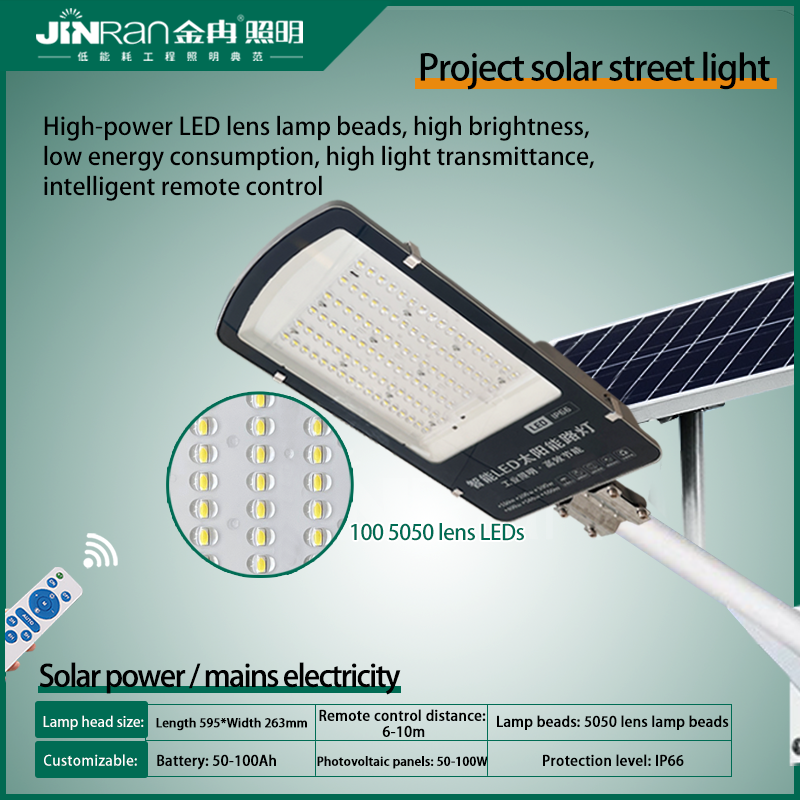
Solar street lights are standalone systems that utilize solar panels to harness solar energy, which is then used to power LED lights during the night. These systems are equipped with batteries that store energy collected during the day, ensuring continuous illumination even during cloudy days or at night.
By eliminating the need for grid electricity, solar street lights provide an eco-friendly solution to urban lighting challenges. Additionally, they often feature smart technology components, allowing for remote monitoring and control, which aligns perfectly with the aspirations of smart city initiatives.
3. Benefits of Project Solar Street Lights
The deployment of project solar street lights in smart cities offers numerous advantages that can significantly enhance urban living.
3.1 Sustainability and Environmental Impact
Solar street lights highlight the commitment to **sustainability** in urban planning. They reduce reliance on fossil fuels, thereby lowering greenhouse gas emissions. By generating clean energy, cities can work towards meeting their sustainability goals while promoting environmental stewardship among residents.
Incorporating renewable energy sources into public infrastructure not only benefits the environment but also sets a precedent for other sectors to follow. This reinforces the overall mission of smart cities to create a greener, more sustainable future.
3.2 Cost-Effectiveness and Economic Benefits
The transition to solar street lighting can lead to substantial financial savings for municipalities. With the elimination of electricity costs, cities can reallocate funds to other crucial initiatives. The initial investment in solar technology is often offset by these long-term savings and reduced maintenance costs associated with LED lights.
Moreover, solar street lights can enhance the attractiveness of urban areas, potentially boosting local economies through increased foot traffic and tourism.
3.3 Enhancing Public Safety and Security
Illumination plays a crucial role in enhancing public safety. Well-lit streets deter crime and create a sense of security for residents and visitors. Solar street lights, with their bright LED technology, provide consistent and reliable lighting throughout the night, ensuring that all areas are visible and safe.
Additionally, integrating smart technology can allow for features such as motion sensors and automatic dimming, which can further enhance safety while conserving energy.
3.4 Community Engagement and Social Benefits
Solar street lights foster a sense of community engagement and social responsibility. As cities install these lights, they often involve local communities in the planning and implementation processes. This promotes community pride and encourages residents to take ownership of their urban spaces.
Moreover, integrating solar street lights with smart technology can provide opportunities for educational initiatives regarding sustainability, energy conservation, and technology, making residents active participants in their city's development.
4. Integrating Solar Street Lights in Smart City Frameworks
The successful integration of solar street lights into smart city frameworks requires a comprehensive approach. This involves strategic planning, collaboration between stakeholders, and alignment with existing urban infrastructure.
Cities should assess their specific lighting needs and identify areas where solar street lights can be most effective. This can include parks, residential areas, and commercial districts. A holistic strategy that considers the unique characteristics of each urban area will maximize the benefits of solar street lighting.
Collaboration among government entities, private sector partners, and community organizations is vital to create a robust framework for implementation. By working together, stakeholders can ensure that solar street lights align with broader smart city goals, such as improving public transportation, enhancing public spaces, and increasing energy efficiency.
5. Case Studies: Successful Implementations
Several cities around the world have embraced the installation of solar street lights as part of their smart city initiatives, experiencing remarkable success.
Case Study 1: Los Angeles, California
Los Angeles launched a project to install solar street lights in underserved neighborhoods. This initiative significantly improved safety and reduced crime rates in these areas. The project also demonstrated the city's commitment to sustainability, highlighting Los Angeles as a leader in smart city development.
Case Study 2: Nairobi, Kenya
Nairobi adopted solar street lighting to address energy shortages and enhance public safety. The initiative transformed previously dark and dangerous areas into well-lit, safe public spaces. Moreover, by involving local communities in the implementation, Nairobi fostered social responsibility and increased awareness of renewable energy solutions.
Case Study 3: Amsterdam, Netherlands
The city of Amsterdam incorporated solar street lights as part of its broader sustainability strategy. By combining these lights with smart technology such as sensors and control systems, Amsterdam improved energy efficiency and reduced operational costs while enhancing the safety and livability of its urban environment.
6. Future Trends in Solar Lighting Technology
As technology continues to advance, the future of solar street lighting looks promising. Key trends to watch include:
Smart Integration
The integration of IoT (Internet of Things) technology in solar street lights will enable real-time data collection and analysis. This will allow for adaptive lighting solutions that respond to environmental changes, pedestrian movement, and traffic patterns.
Improved Energy Storage
Advancements in energy storage technology will enhance the efficiency of solar street lights. The development of new battery technologies will allow for longer-lasting power reserves, ensuring that lights remain operational even during extended periods of cloudy weather.
Customization and Scalability
Future solar street lighting solutions will likely be more customizable, allowing cities to tailor their lighting systems to specific needs. Additionally, modular designs will enable scalable implementations, allowing cities to expand their solar lighting networks as needed.
7. Challenges and Solutions
While the benefits of project solar street lights are clear, there are challenges that cities must address to ensure successful implementation.
Initial Costs
The upfront costs associated with solar street lighting can be a barrier for many municipalities. However, cities can explore grant opportunities, public-private partnerships, and financing options to mitigate these costs.
Technical Challenges
Integrating solar street lights into existing urban infrastructure can pose technical challenges. Cities should invest in thorough feasibility studies to assess compatibility and develop effective strategies for integration.
Public Acceptance
Gaining public support is crucial for the success of solar street lighting projects. Engaging with communities through informational sessions and outreach programs can help address concerns and build enthusiasm for the initiative.
8. Conclusion
Project solar street lights play a pivotal role in advancing smart city initiatives, offering a wealth of benefits that enhance urban living. From sustainability and cost-effectiveness to public safety and community engagement, these innovative lighting solutions are transforming cities into safer, more efficient spaces.
As cities continue to evolve and embrace smart technologies, the integration of solar street lights will not only illuminate urban areas but will also brighten the future for residents and communities worldwide. By prioritizing these initiatives, cities can pave the way for a sustainable, inclusive, and prosperous urban environment.
9. FAQs
What are solar street lights made of?
Solar street lights consist of solar panels, LED lighting systems, batteries for energy storage, and smart technology components for monitoring and control.
How do solar street lights save energy?
Solar street lights save energy by harnessing solar power, eliminating the need for grid electricity and reducing overall energy consumption.
Are solar street lights effective in cloudy weather?
Yes, solar street lights are designed to store energy collected during sunny days, allowing them to function effectively even in cloudy weather.
What are the maintenance requirements for solar street lights?
Solar street lights typically require minimal maintenance, with periodic cleaning of solar panels and battery checks. The LED lights have a long lifespan, reducing replacement needs.
How can communities get involved in solar street light projects?
Communities can engage in solar street light projects by participating in planning discussions, providing feedback, and volunteering for installation or maintenance efforts.
By prioritizing the implementation of project solar street lights, cities can make significant strides toward achieving their smart city objectives while fostering sustainable and empowered communities.


Contact Jinran
Phone:+86-13793941613
E-Mail:jinranzhaoming@gmail.com
Address:Linyi Hardware City, Jiuqu Street, Hedong District, Linyi City, Shandong Province
Get a Quote